
After two years of graduate studies in animation, I discovered that my interest extends beyond character animation; I’m more passionate about creating characters, building worlds, and bridging the emotional gap between the viewer and the audience. My career path leans towards emotional/cinematic storytelling.
Due to my personal love for games and the explosive growth of the Chinese game industry in recent years, with more and more Chinese games adopting cinematic storytelling and film-level game quality (referring broadly to world-building, gameplay, and art design), I hope to work in an art-related role within the Chinese game industry. Therefore, this journal will focus on exploring suitable career paths within the Chinese game industry.
I currently have two main categories of game companies in mind—single-player games and mobile games. I will discuss the employment possibilities in each of these sectors.
In my opinion, understanding the target audience is crucial for securing employment. The primary target audience for Chinese single-player games (buy-to-play games) is Generation Z, with a large proportion of users on the Steam platform. This demographic values game and story depth and art style, while also having extremely high standards for genuine creative work and game quality. The needs of these groups align perfectly with my strengths. Therefore, I see the single-player game market as my primary career path.
The main players in the Chinese single-player game market are two world-class Chinese companies: NetEase and Tencent. Most of the single-player games from these two giants are related to Chinese mythology and legends. For example, Tencent’s Game Science created Black Myth: Wukong, a derivative of the classic Chinese novel Journey to the West. This game achieved great success, winning the TGA World Game of the Year award in 2024. Similar Chinese single-player game development companies like Game Science primarily focus on long narratives and cinematic effects. For example, Black Myth: Wukong features detailed NPC and scene designs. These concept designs emphasize resonance between designers and users and require strong storytelling. This is also my area of expertise.
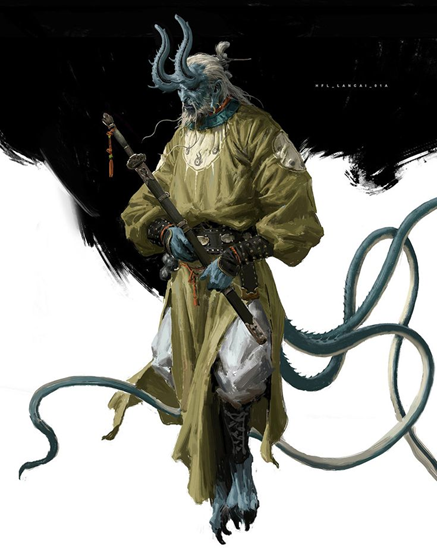
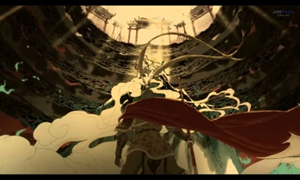
In my opinion, the key to getting a job at a single-player game company is to become a partner who can solve critical visual problems. The game art industry, like the computer industry, requires mastering core technologies to gain a significant advantage in the job market. Solid technical skills combined with clever thinking—these are the two things I need to practice more.
Secondly, regarding the Chinese mobile game market, Chinese mobile game companies are more user-centric service-oriented. Therefore, in terms of art, they need to cater more to the mass market. Whether it’s visual design of characters and scenes, or storytelling in terms of concept, it’s more industrialized and less about personal emotion. Therefore, employment in mobile game companies emphasizes technical proficiency (drawing, software skills). For example, miHoYo, the company that created Genshin Impact, uses a style of anime characters that is widely accepted, and their storytelling prioritizes safety, avoiding niche storylines. Employment at these companies requires a stronger emphasis on technical skills; you need to see yourself as a cog in a large, well-oiled machine.
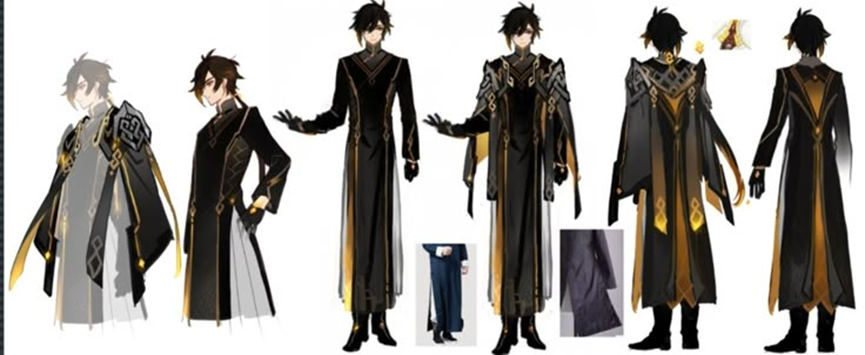
Overall, through analyzing the Chinese PC and mobile game industries, I find myself more drawn to PC games—with their strong narratives, cinematic expression, and world-building capabilities—than to the mobile game industry, which emphasizes industrial processes and the mass market. I also feel that the concepts within the PC game industry align with my creative direction; I consistently focus on the emotional connection between characters and the audience, and on creating an immersive narrative experience through visuals, performance, and environment.
Leave a Reply